
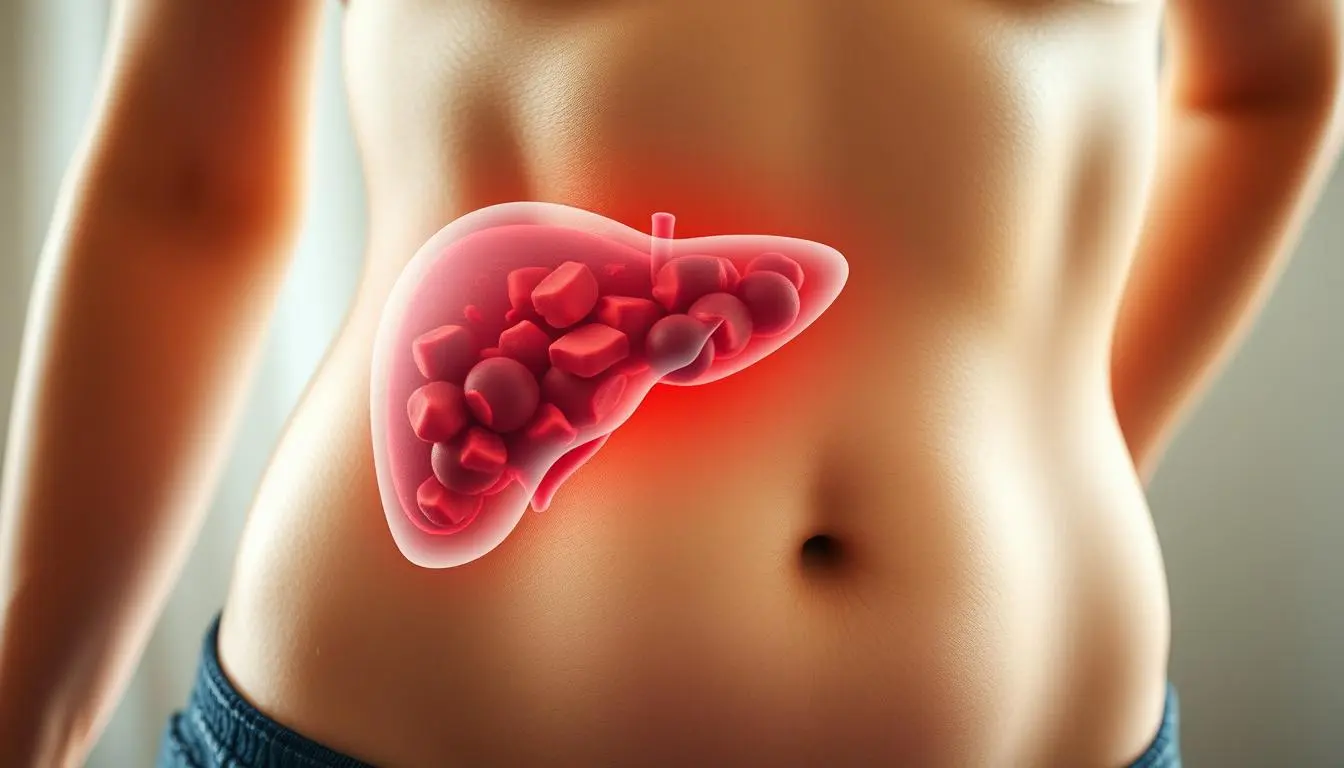
Signs of Liver Cancer Every Woman Should Know
As a woman, you know how important regular health checks are. But, there’s one condition that needs more focus: liver cancer. This disease can sneak up on you, showing signs that are easy to miss.
Recognizing the early signs is crucial. Detecting problems early can make a real difference. If you have certain health issues or risk factors, your chances may be higher, so learning the symptoms helps you stay protected.
By understanding the warning signs and caring for your liver, you can lower your risk and stay one step ahead of potential problems.
Table of Contents
Understanding Liver Cancer in Women
To understand this disease in women, it’s important to know its types, risk factors, and how it differs from men. It’s not just one condition — there are several forms, with hepatocellular carcinoma being the most common.
What Is Hepatocellular Carcinoma and Other Liver Cancers
Hepatocellular carcinoma (HCC) starts in the liver’s main cell type, called hepatocytes. Other liver cancers include intrahepatic cholangiocarcinoma, which begins in the bile ducts, and rare types like angiosarcoma. HCC is very aggressive and often linked to liver disease.
How Liver Cancer Affects Women Differently Than Men
This disease affects women differently due to hormones and genetics. Research suggests that estrogen may offer some protection against hepatocellular carcinoma (HCC), which could explain why women develop it less often than men. However, this gap narrows after menopause, highlighting the impact of hormonal changes on risk.
Why Early Detection Is Critical
Finding liver cancer early is key to better survival chances. Early diagnosis means better treatment options and outcomes. People at high risk, like those with chronic hepatitis B or C, should get regular screenings.
| Risk Factor | Description | Impact on Women |
|---|---|---|
| Chronic Hepatitis B/C | Viral infections that cause liver inflammation | Higher risk of liver cancer; regular screening advised |
| Hormonal Influences | Estrogen’s potential protective effect | Lower incidence in premenopausal women |
| Liver Disease | Cirrhosis and other conditions | Increases risk of developing liver cancer |
10 Warning Signs of Liver Cancer Every Woman Should Recognize

It’s important to know the signs of liver cancer early. This can help with treatment , might not show symptoms at first, so it’s key to watch for signs.
Abdominal Pain and Swelling
Abdominal pain, especially in the upper right, is a common sign. The tumor can press on tissues, causing pain. You might also see swelling from fluid buildup, called ascites.
Unexplained Weight Loss
Unexplained weight loss is a big symptom. Liver cancer can mess with your metabolism and appetite. If you lose weight without trying, see a doctor.
Jaundice and Skin Changes
Jaundice, or yellow skin and eyes, is a sign of liver trouble. Liver cancer can block bile ducts, causing jaundice. You might also see skin changes like itching or darkening.
Unusual Fatigue and Weakness
Feeling very tired or weak is common in liver cancer. The cancer can cause anemia and make you feel unwell. This is because the liver can’t detoxify the body well.
Nausea and Loss of Appetite
Nausea and less interest in food are symptoms too. The tumor can mess with your digestive system. This makes you feel sick to your stomach or less hungry.
Easy Bruising or Bleeding
Can make you bruise or bleed easily. If you bruise a lot or have frequent nosebleeds, get medical help.
Enlarged Liver or Spleen
This disease can cause the liver or spleen to swell, which may be noticed during a check-up or medical tests. A swollen liver or spleen can signal advanced liver problems or cancer.
Recognizing these signs early is important. If you notice any symptoms, consult a doctor promptly for proper evaluation and diagnosis.
Risk Factors for Liver Cancer That Women Should Know

Women need to know about the risks of liver cancer. It’s caused by genetics, environment, and lifestyle. Knowing these risks helps in preventing and catching it early.
Chronic Viral Hepatitis B and C
Chronic hepatitis B or C infections are big risks for liver cancer. These viruses can damage the liver and lead to cancer. Vaccination against hepatitis B is available and recommended for high-risk groups. New treatments for hepatitis C can cure the infection and lower cancer risk.
Excessive Alcohol Consumption
Drinking too much alcohol can cause liver damage and increase cancer risk. Women who drink more than one drink a day are at higher risk. Cutting down on alcohol can help lower this risk.
Non-Alcoholic Fatty Liver Disease
Non-alcoholic fatty liver disease (NAFLD) is when the liver has too much fat, even with little alcohol use. It can lead to serious liver problems, including cancer. Keeping a healthy weight and managing diabetes can help prevent this.
Hormonal Factors and Oral Contraceptives
Long-term use of oral contraceptives may slightly increase liver cancer risk. But the overall risk is still low. The benefits of oral contraceptives usually outweigh the risks.
Family History and Genetic Conditions
A family history of this disease can raise a woman’s risk. Certain genetic conditions, such as hemochromatosis and Wilson’s disease, also contribute. Discussing family history with a healthcare provider can help assess personal risk.
By understanding these factors, women can take steps to lower their chances of developing the disease. Regular checkups and screenings remain essential for early detection and effective management.
Diagnosis and Treatment of Liver Cancer
Diagnosing and treating this disease involves several tests and procedures to find the best care plan. Understanding these steps can help you make informed decisions about your treatment.
Screening Tests and Diagnostic Procedures
Tests for this condition include alpha-fetoprotein (AFP) blood tests and imaging such as ultrasound, CT scans, and MRI. If results indicate an issue, a liver biopsy may be required to confirm the diagnosis.
Treatment Options for Different Stages
Treatment depends on the disease stage. Early-stage cases may be treated with surgical removal or ablation therapy, while advanced stages often require systemic approaches such as targeted therapy or immunotherapy.
Liver Transplantation and Surgical Approaches
In some cases, liver transplantation is the best option, especially for early-stage cancer and liver disease. Surgical methods, including resection, are also key in treating liver cancer.
Survival Rates and Quality of Life Considerations
The survival rates for liver cancer vary a lot based on when it’s diagnosed. Knowing the prognosis and quality of life considerations helps patients and their families plan for the future.
| Liver Cancer Stage | Typical Treatment Options | 5-Year Survival Rate |
|---|---|---|
| Early Stage | Surgery, Ablation Therapy | 50-70% |
| Intermediate Stage | Embolization, Systemic Therapies | 20-40% |
| Advanced Stage | Systemic Therapies, Palliative Care | 5-20% |
Conclusion: Protecting Your Liver Health
Knowing the signs and risk factors is important for your health. Watch for symptoms like stomach pain, unexpected weight loss, and yellow skin. If you notice these, seek medical help right away — early action can make a big difference.
Prevention starts with a healthy lifestyle. Limiting alcohol, managing chronic viral hepatitis, and monitoring hormonal changes all help. Regular checkups and screenings are also key to catching problems early.
By taking care of your liver, you lower your risk. Stay informed, stay alert, and prioritize your health for a longer, healthier life.
Frequently Asked Questions About Liver Cancer
What are the common symptoms of liver cancer?
Liver cancer symptoms include pain and swelling in the abdomen, unexplained weight loss, and jaundice. You might also feel fatigue, nausea, and loss of appetite. Easy bruising or bleeding and an enlarged liver or spleen are other signs. Recognizing these symptoms early can help with faster diagnosis and treatment.
How is liver cancer diagnosed?
Doctors diagnose liver cancer using imaging tests such as ultrasound, CT scan, or MRI. Liver function tests and biopsies are also common. People at high risk should have regular screenings to detect the disease early.
What are the risk factors for liver cancer?
Major risk factors include chronic hepatitis B or C infection, excessive alcohol consumption, and non-alcoholic fatty liver disease. Family history, hormonal factors, and exposure to toxins can also increase risk. Understanding these factors helps with prevention and early monitoring.
Can liver cancer be treated?
Yes, liver cancer can be treated. Options depend on the cancer’s stage and include surgery, liver transplant, radiation, chemotherapy, or targeted therapies. Your healthcare provider will recommend the most suitable treatment plan for your condition.
How can I reduce my risk of developing liver cancer?
Get vaccinated against hepatitis B, avoid excessive alcohol use, and maintain a healthy weight. Managing chronic hepatitis C and fatty liver disease can also lower your risk. Regular checkups and a balanced diet help protect liver health.
What is the prognosis for liver cancer?
The prognosis depends on the stage at diagnosis, overall health, and response to treatment. Early detection significantly improves survival rates. Your doctor will discuss your specific outlook and treatment options with you.
Are there any specific liver cancer symptoms that women should be aware of?
Liver cancer symptoms are generally similar for both men and women. However, hormonal factors can influence women’s risk and disease progression. Awareness of symptoms and risk factors is key for early diagnosis.
Can liver cancer be prevented?
While not all liver cancer cases can be prevented, many risks can be reduced. Vaccination against hepatitis B, maintaining a healthy lifestyle, managing chronic conditions, and limiting alcohol use all help lower your risk.