
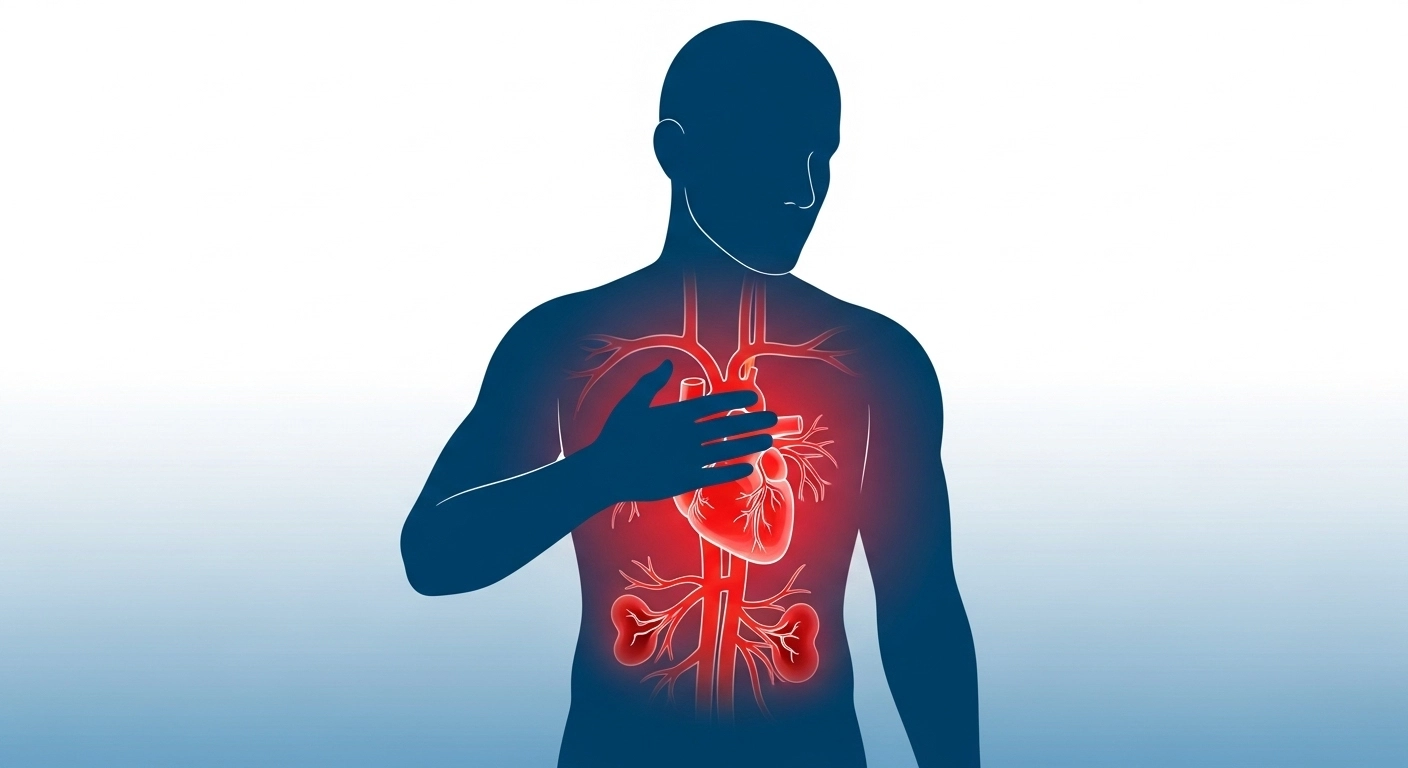
7 Silent Signs of Clogged Arteries You Should Never Ignore
You might not realize that artery blockage can sneak up on you until it’s too late. Heart disease risk jumps up when clogged arteries aren’t caught early.
It’s key to spot the warning signs to prevent problems. Clogged arteries can cause serious issues like heart attacks and strokes. Paying attention to your body’s signals is vital.
Knowing the dangers of artery blockage helps you make healthier choices. Being informed can lower your heart disease risk and keep you healthy.
Table of Contents
The Hidden Dangers of Arterial Blockage
Do you know that your arteries might be clogging up? This can be due to plaque buildup and is a serious issue. It can lead to heart diseases. It’s important to understand the risks and how they happen to keep your heart healthy.
How Plaque Builds Up in Your Arteries
Plaque forms in your arteries over time. It starts with cholesterol and fat sticking to the walls. This can make your arteries narrow and block blood flow. You might not feel anything until it’s too late.
Things like eating too much fat, smoking, and not exercising can make it worse. But, regular health checks and a healthy lifestyle can help.
| Risk Factor | Impact on Arteries |
|---|---|
| High-Fat Diet | Increases cholesterol levels, promoting plaque buildup |
| Smoking | Damages arterial walls, making them more susceptible to blockage |
| Lack of Exercise | Contributes to obesity and high blood pressure, accelerating arterial obstruction |
Why Clogged Arteries Often Go Undetected
Clogged arteries can be hard to spot because symptoms don’t show up until it’s too late. The slow buildup means your body might not show signs of trouble. This makes it hard to catch problems early.
“The key to preventing cardiovascular events is early detection and management of risk factors associated with clogged arteries.”
Getting regular health checks and knowing your risks can help catch problems early. Eating right and exercising often are key to avoiding clogged arteries.
Sign #1: Unexplained Leg Pain or Cramping
One of the first signs of clogged arteries is pain or cramping in your legs. This happens without a clear reason. It’s linked to peripheral artery disease (PAD). PAD is when narrowed arteries cut off blood flow to your limbs.
Understanding Peripheral Artery Disease
Peripheral artery disease happens when plaque builds up in leg arteries. This buildup, called atherosclerosis, narrows and hardens arteries. It reduces blood flow, leading to leg pain, mostly when you’re active.
The “Walking and Resting” Pain Pattern
A key sign of PAD is pain when walking that goes away when you rest. This is called intermittent claudication. Walking increases muscle oxygen needs, but narrowed arteries can’t meet them, causing pain. Resting lowers oxygen demand, easing the pain.
When to Seek Medical Attention for Leg Pain
If you have ongoing or severe leg pain, see a doctor. PAD left untreated can cause heart attack and stroke risks to rise. Your doctor will check for PAD with a physical exam and tests like the ankle-brachial index.
Sign #2: Chest Pressure or Discomfort
Chest pressure is a warning sign that should not be ignored. It could mean clogged arteries. This feeling can be like a squeeze or fullness in the chest.
Recognizing Angina Symptoms
Angina is when you feel chest pain or discomfort because of less blood flow to the heart. Common symptoms include:
- Pressure or tightness in the chest
- Pain that spreads to the arms, back, neck, jaw, or stomach
- Discomfort that happens with physical activity or emotional stress
How Arterial Chest Pain Differs from Other Types
Arterial chest pain, often linked to angina, happens with effort and goes away with rest. It’s different from other chest pains because it’s about the heart needing oxygen.
Warning Signs That Shouldn’t Be Ignored
If you feel chest pressure or discomfort, and it’s with other signs like dizziness or shortness of breath, get medical help right away. These could be signs of a serious heart problem.
Sign #3: Shortness of Breath During Light Activity

If you find yourself out of breath during light exercise, it might signal a serious issue with your cardiovascular health. This symptom, though it seems unrelated to heart problems at first, can be a key sign of clogged arteries and higher heart disease risk.
When your heart doesn’t get enough oxygen-rich blood because of blocked arteries, you might feel short of breath. This happens because your heart has to work harder to make up for the lack of blood flow. It needs more oxygen to do so.
The Heart-Lung Connection in Clogged Arteries
The link between your heart and lungs is key to understanding how clogged arteries can cause shortness of breath. When arteries are blocked, your heart muscle doesn’t get the oxygen it needs. This can lead to heart failure and fluid buildup in the lungs, making breathing harder.
- The heart and lungs work together to supply oxygen to the body.
- Clogged arteries can disrupt this balance.
- Less oxygen to the heart can cause fluid in the lungs.
Differentiating Between Cardiac and Pulmonary Causes
It’s important to tell apart shortness of breath from heart problems versus lung issues. Both can show similar symptoms, but their causes and treatments are different.
- Shortness of breath from heart problems often happens during exercise.
- Lung-related causes might be linked to the environment or chronic lung diseases.
- A detailed medical check is needed to find the exact cause.
Knowing the cause of your shortness of breath is key for the right treatment. If you’re always or getting worse at breathing, even with light activity, see a doctor. They can check your cardiovascular health and help with any heart disease risk.
Sign #4: Persistent Fatigue and Weakness
Arterial health is key to your energy levels. Persistent fatigue can signal problems. Clogged arteries limit oxygen-rich blood to muscles and organs.
Why Reduced Blood Flow Drains Your Energy
Arterial blockages make your heart work harder. This effort reduces oxygen delivery to tissues. You might feel tired because your cells lack the oxygen needed for energy.
Reduced blood flow impacts not just muscles but also organs. This can make you feel generally unwell. It’s a big problem if you’re healthy and don’t have other obvious reasons for fatigue.
Distinguishing Arterial Fatigue from Other Causes
Diagnosing arterial fatigue is tough because it can look like other conditions. Anemia, thyroid disorders, and chronic fatigue syndrome can cause similar symptoms. But, arterial fatigue often comes with signs of heart disease, like high blood pressure or chest pain.
To figure out if your fatigue is due to arterial obstruction, watch for other symptoms. Leg pain when walking or shortness of breath are signs. If you have these along with persistent fatigue, see a doctor to check for heart problems.
Sign #5: Numbness or Coldness in Your Extremities

Clogged arteries can cause numbness or coldness in your hands and feet. This is often due to poor circulation, which happens when arteries are blocked. Reduced blood flow to your extremities leads to these feelings.
The Circulation Connection to Cold Hands and Feet
Cold hands and feet are common signs of poor circulation. Narrowed arteries make it hard for warm blood to reach your extremities. This can make you feel cold, even in mild weather. Smoking or certain health issues can make it worse.
Improving circulation can help. Try regular exercise, quitting smoking, and managing diabetes.
When Numbness Signals a Serious Problem
Numbness in your extremities can mean a serious issue with clogged arteries. Significant blockages can cause peripheral artery disease (PAD). PAD leads to pain, numbness, and weakness in the legs.
It’s a sign of atherosclerosis, which increases the risk of heart attack or stroke. If numbness persists, see a doctor. Early treatment can greatly improve your health.
Sign #6: Subtle Cognitive Changes
Cognitive changes can be an early warning sign of clogged arteries. They affect your memory and concentration. You might find it hard to learn new things or make decisions.
These changes can be small but serious. They might show a bigger problem.
Clogged arteries cut down blood flow to the brain. This can lead to a decline in cognitive functions. These include memory, attention, and how fast you process information.
How Clogged Arteries Impact Brain Function
Clogged arteries can harm brain function by cutting off oxygen and nutrients. This can make it hard to solve problems and make decisions.
Key effects on brain function:
- Reduced oxygen supply
- Impaired nutrient delivery
- Increased risk of cognitive decline
Memory Issues That May Indicate Vascular Problems
Memory problems can be a sign of vascular issues. You might forget things, struggle to recall recent events, or forget familiar words and names.
“The relationship between cardiovascular health and cognitive function is complex, and vascular factors play a significant role in the development of dementia.”
Protecting Your Cognitive Health
To keep your brain healthy, live a healthy lifestyle. Eat well, exercise regularly, and manage stress. Also, watch and control your heart health risk factors to avoid cognitive decline.
| Lifestyle Change | Benefit to Cognitive Health |
|---|---|
| Regular Exercise | Improves blood flow to the brain |
| Balanced Diet | Provides essential nutrients for brain health |
| Stress Management | Reduces risk of cognitive decline |
Sign #7: Sexual Dysfunction as a Warning Sign
Sexual dysfunction is now seen as a warning sign for artery blockage. The link between sexual health and heart health is strong. Clogged arteries can block blood flow to parts of the body needed for sex.
The Vascular Nature of Sexual Health
Sexual health in men is closely tied to blood vessel health. Erectile dysfunction (ED) can signal endothelial dysfunction. This is when blood vessel linings don’t work right. It can lead to bigger vascular issues, like clogged arteries.
The same things that cause artery blockage, like high blood pressure and diabetes, can also hurt sexual function.
When to Discuss Sexual Changes with Your Doctor
If you keep having sexual problems, talk to your doctor. They can figure out if it’s related to blood vessel health or not. Tell them about your overall health and any heart disease risks.
Your doctor might suggest tests to check your blood vessel health. This could include blood pressure, cholesterol, or a stress test.
Talking about sexual issues isn’t just for better sex. It’s also about finding and fixing heart health problems early.
Clogged Arteries: Risk Factors You Need to Know
Understanding the risk factors for clogged arteries is key to a healthier heart. Atherosclerosis happens when plaque builds up in arteries, leading to coronary artery disease. Knowing these risks helps prevent it.
Modifiable Lifestyle Factors
Many lifestyle choices can increase your risk of clogged arteries. Smoking damages blood vessels and builds up plaque. A sedentary lifestyle and a diet high in saturated fats and cholesterol also raise your risk. Quitting smoking, exercising, and eating healthier can lower your risk.
Medical Conditions That Increase Your Risk
Some medical conditions raise your risk of clogged arteries. High blood pressure and diabetes damage blood vessels and speed up plaque buildup. High cholesterol levels, like LDL cholesterol, also contribute. Managing these conditions is vital.
Family History and Genetic Considerations
Your family history and genetics also affect your risk. If your relatives had heart disease or stroke, you’re at higher risk. While you can’t change your genetics, knowing this risk helps you focus on other risk factors.
Preventing and Reversing Arterial Blockage
You can take control of your arterial health through lifestyle changes and medical interventions. Keeping your arteries healthy is key for your heart’s well-being. Clogged arteries can cause serious health problems, but there are ways to stop and even fix this.
Dietary Changes That Promote Arterial Health
Eating a heart-healthy diet is vital to avoid clogged arteries. Eat foods rich in omega-3 fatty acids like salmon and walnuts. Also, eat more antioxidant-rich fruits and vegetables. Cutting down on saturated and trans fats is also good for your arteries.
Exercise Strategies to Improve Circulation
Regular exercise is key for healthy arteries. Do aerobic exercises like brisk walking, cycling, or swimming for 150 minutes a week. Adding strength training exercises twice a week can also boost your heart health.
Medical Interventions and When They’re Necessary
Sometimes, just changing your lifestyle isn’t enough. Medications like statins or antiplatelet drugs might be needed to control cholesterol and prevent blood clots. For severe cases, procedures like angioplasty or CABG might be needed. The American Heart Association says, “Early detection and treatment can greatly improve outcomes for patients with heart disease.”
Conclusion: Protecting Your Arterial Health
Clogged arteries can lead to serious health issues, like heart disease. Knowing the silent signs and taking action early is key. This helps keep you healthy overall.
Your lifestyle affects your risk of clogged arteries. Eating a balanced diet with fruits, veggies, and whole grains helps. Regular exercise, not smoking, and managing stress also lower heart disease risk.
Being aware of your arterial health and making smart choices can lower your risk. Stay informed, take charge of your health, and talk to doctors. This way, you can keep your arteries healthy.
FAQ
What are the primary causes of clogged arteries?
Clogged arteries happen when plaque builds up in the arteries. This plaque is made of fat, cholesterol, and other stuff. High cholesterol, smoking, and diabetes can make this buildup worse. A family history of heart disease also plays a role.
Can clogged arteries be reversed?
Yes, you can reverse clogged arteries with the right changes. Eating better, exercising, and quitting smoking can help. Managing blood pressure and diabetes is also key. Sometimes, doctors might need to use medications or procedures to help.
How do I know if I have clogged arteries?
Clogged arteries often don’t show symptoms until they’re very bad. But, chest pain, shortness of breath, and leg pain can be signs. Regular check-ups and screenings can catch problems early.
What is the difference between coronary artery disease and peripheral artery disease?
Coronary artery disease affects the heart’s blood supply. Peripheral artery disease affects arteries outside the heart, usually in the legs. Both are caused by plaque buildup and share similar risk factors.
How does diet impact arterial health?
Your diet is very important for your arteries. Eating lots of fruits, veggies, whole grains, and lean proteins helps. Avoid foods high in saturated fats and cholesterol. Foods like salmon and those full of antioxidants are good for your arteries.
Can exercise help prevent or reverse clogged arteries?
Yes, exercise is great for your arteries. It improves blood flow, lowers blood pressure, and helps with weight management. Activities like walking, cycling, and swimming are best for your heart.
What are the risks if clogged arteries are left untreated?
Untreated clogged arteries can cause serious problems. These include heart attacks, strokes, and peripheral artery disease. Reduced blood flow can damage organs and impair functions. In severe cases, it can be deadly.
How often should I have my arteries checked?
How often you should get artery checks depends on your health and risk factors. If you have a family history of heart disease or high cholesterol, talk to your doctor. Adults over 20 should get their cholesterol checked every 5 years, or more often if at risk.