
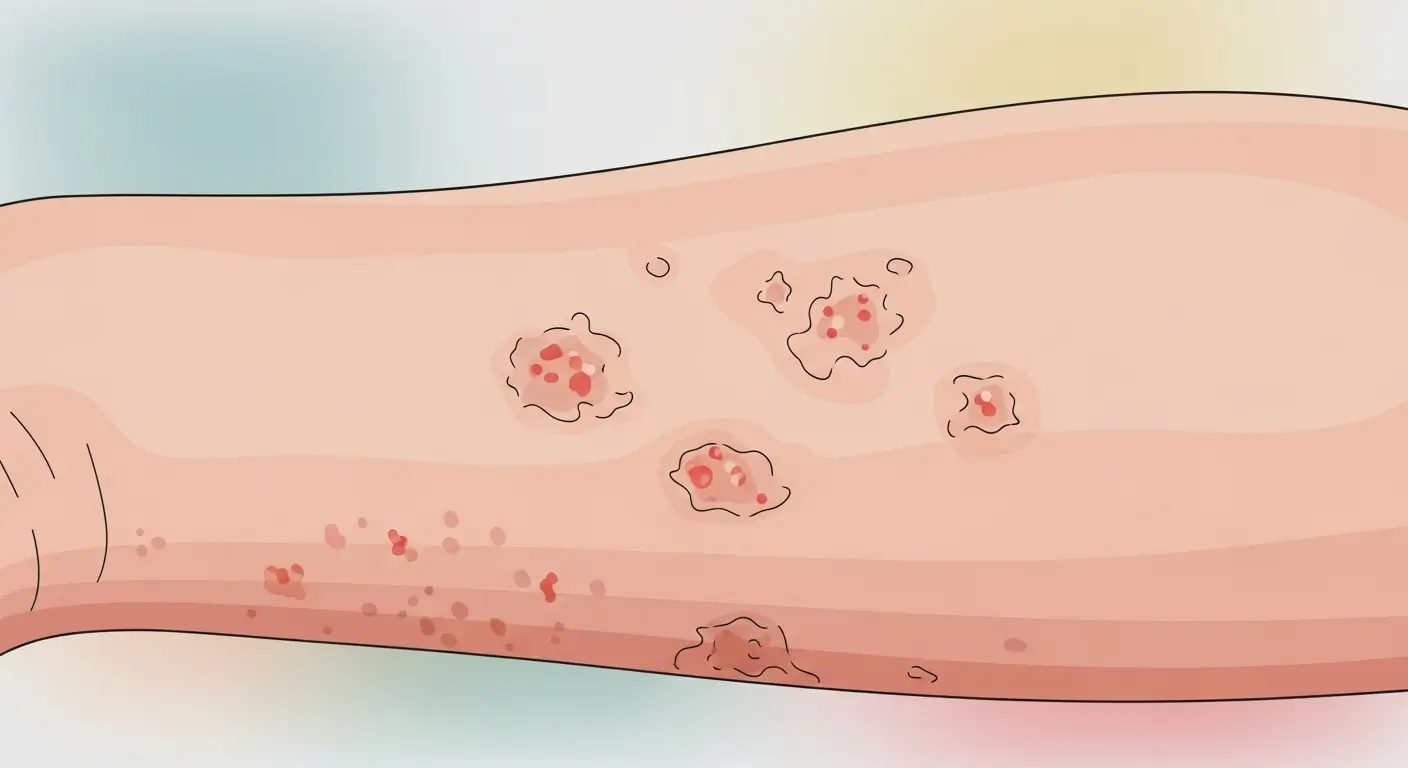
What is Psoriasis and How Do You Effectively Treat It?
Have you ever noticed red, scaly patches on your skin that don’t fade no matter how much moisturizer you use? You’re not alone — over 125 million people worldwide live with psoriasis, a chronic autoimmune condition that affects much more than just the skin’s surface.
In psoriasis, the immune system speeds up the skin cell renewal process, causing cells to build up rapidly. This leads to raised, inflamed patches covered with silvery-white scales, which can be itchy, painful, and emotionally challenging.
In this article, you’ll learn everything you need to know about psoriasis — what causes it, the different types, common triggers, and today’s most effective treatment options to help you manage symptoms and improve quality of life.
Table of Contents
Understanding Psoriasis
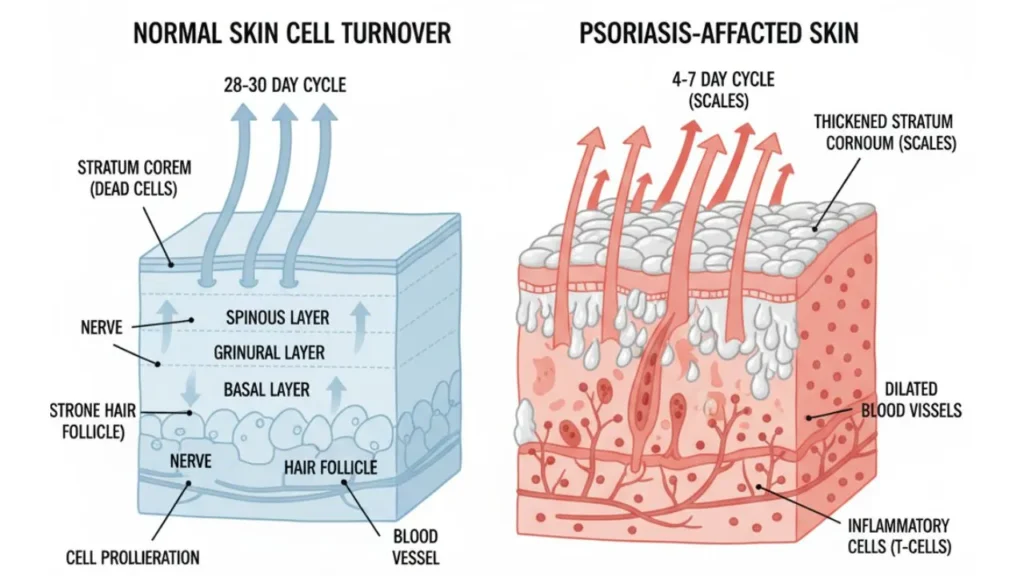
Psoriasis is a long-term autoimmune condition that speeds up how skin cells grow and shed. Normally, new skin cells form deep within the skin and take about a month to rise to the surface and fall off. In psoriasis, this process happens in just a few days, leading to a buildup of cells on the surface.
This buildup creates thick, silvery scales and dry, itchy red patches that can crack, bleed, and cause discomfort. Psoriasis isn’t only a skin issue — it’s a systemic condition that can impact overall health and quality of life.
There are several forms of psoriasis. The most common is plaque psoriasis, affecting about 80–90% of cases. Other types include guttate psoriasis (small, dot-like spots), inverse psoriasis (smooth patches in skin folds), pustular psoriasis (white blisters surrounded by red skin), and erythrodermic psoriasis (a severe, widespread form causing redness and skin shedding).
Common Symptoms of Psoriasis
The symptoms of psoriasis vary from person to person and depend on the type, but most people experience some combination of the following:
- Red patches of skin covered with thick, silvery scales that may appear anywhere on the body but commonly affect the elbows, knees, scalp, and lower back
- Dry, cracked skin that may bleed especially during flare-ups or in cold, dry weather
- Itching, burning, or soreness in affected areas that can interfere with sleep and daily activities
- Thickened, pitted, or ridged nails that may become discolored or separate from the nail bed
- Swollen and stiff joints in cases where psoriasis is accompanied by psoriatic arthritis, affecting up to 30% of people with psoriasis
- Small scaling spots particularly common in children with guttate psoriasis
Symptoms can range from mild (affecting small areas) to severe (covering large portions of the body), and they typically cycle through periods of flare-ups and remission.
What Causes Psoriasis?
Psoriasis results from a complex interaction between the immune system, genetics, and environmental factors. While researchers don’t fully understand why some people develop psoriasis, they’ve identified several key contributors.
Immune System Dysfunction
At its core, psoriasis is an autoimmune condition. The immune system mistakenly attacks healthy skin cells, triggering an inflammatory response. This causes the skin cell production process to go into overdrive, leading to the characteristic buildup of skin cells on the surface.
Genetic Factors
Genetics play a major role in the development of psoriasis. If one parent has the condition, a child’s risk is about 10%, but if both parents are affected, the chance rises to around 50%. Scientists have identified several genes linked to psoriasis, although carrying these genes doesn’t necessarily mean the condition will appear.
Common Triggers
Several factors can trigger psoriasis flare-ups or make symptoms worse:
Skin Injuries: Cuts, scrapes, insect bites, or severe sunburns can lead to new lesions at the site of injury — a reaction known as the Koebner response.
Stress: Both emotional and physical stress can activate the immune system, triggering or worsening symptoms. Many people experience their first outbreak after a major stressful event.
Infections: Illnesses like strep throat can provoke an immune response, often leading to guttate psoriasis, especially in children and young adults.
Weather and Climate: Cold, dry conditions tend to worsen psoriasis, while warm, humid weather can bring relief. Moderate sun exposure may help, but sunburn can cause flare-ups.
Medications: Drugs such as lithium, beta-blockers, antimalarials, and certain NSAIDs are known to trigger or aggravate symptoms.
Lifestyle Factors: Smoking, heavy alcohol consumption, and obesity have all been linked to increased psoriasis risk and severity.
How Is Psoriasis Diagnosed?
Diagnosing psoriasis is usually straightforward, but seeing a healthcare professional is essential since other skin conditions can look similar.
A dermatologist typically identifies psoriasis through a physical exam of the skin, nails, and scalp, noting the appearance and pattern of any patches. They’ll also review your medical and family history and ask about potential triggers such as illness, stress, or medications.
In some cases, a skin biopsy may be performed — a small sample of affected skin is examined under a microscope to confirm the diagnosis and rule out other disorders.
You should seek medical care if you notice persistent skin changes, joint pain or stiffness, worsening symptoms, or if the condition causes significant discomfort or interferes with daily activities.
Psoriasis Treatment Options
While there’s currently no cure for psoriasis, numerous effective treatments can control symptoms and improve quality of life. Treatment plans are typically tailored to the individual based on the severity of symptoms, the type of psoriasis, and how the condition responds to initial treatments.

Topical Treatments
For mild to moderate psoriasis, topical treatments applied directly to the skin are often the first line of defense. These include corticosteroids to reduce inflammation and slow skin cell turnover, vitamin D analogues that help normalize skin cell production, topical retinoids derived from vitamin A, calcineurin inhibitors for sensitive areas like the face, salicylic acid to remove scales and smooth skin, and coal tar preparations that reduce scaling, itching, and inflammation.
Many people find success with combination therapy, using multiple topical treatments together for better results.
Phototherapy
Light therapy, or phototherapy, uses natural or artificial ultraviolet light to slow skin cell turnover and reduce inflammation. Options include narrowband UVB therapy, the most common form of phototherapy, excimer laser treatments for targeted areas, and PUVA therapy, which combines ultraviolet A light with a medication called psoralen to increase light sensitivity.
Phototherapy requires multiple sessions per week over several weeks and must be administered carefully to avoid increasing skin cancer risk.
Medications and Biologics
For moderate to severe psoriasis that doesn’t respond to topical treatments or phototherapy, systemic medications taken orally or by injection may be necessary. Traditional systemic medications include methotrexate, cyclosporine, and acitretin.
Biologics represent a newer class of treatments that target specific parts of the immune system. These include TNF-alpha inhibitors, interleukin inhibitors, and other targeted therapies. While highly effective, biologics can be expensive and may increase infection risk.
Oral medications like apremilast offer another option for those who prefer not to use injections.
Lifestyle and Self-Care
Complementing medical treatments with lifestyle modifications can significantly improve psoriasis management. Keep skin moisturized with thick, oil-based creams, take lukewarm baths with colloidal oatmeal or Epsom salts, avoid harsh soaps and hot water, maintain a healthy weight through balanced diet and regular exercise, limit alcohol consumption, quit smoking, manage stress through meditation, yoga, or counseling, and avoid known triggers when possible.
Living with Psoriasis
Living with psoriasis goes beyond managing physical symptoms — it also affects emotional health, confidence, and relationships.
Establishing a consistent skincare routine is vital. Use gentle cleansers, keep skin well-moisturized, and treat flare-ups promptly. Keeping a symptom diary can help identify personal triggers and track how treatments work over time.
The emotional toll of psoriasis can be significant. Many people experience anxiety, depression, or social withdrawal. Joining support groups, whether online or in person, can provide understanding, encouragement, and practical coping tips from others who share similar experiences.
Maintaining open communication with your healthcare provider is key. Discuss any treatment concerns, side effects, or emotional struggles. Your dermatologist can adjust your care plan and refer you to mental health professionals or patient advocacy resources if needed.
Most importantly, remember that psoriasis doesn’t define who you are. With the right treatment, support, and self-care, you can manage symptoms successfully and live a full, confident, and healthy life.
Conclusion
Psoriasis is a chronic autoimmune skin condition that affects millions of people worldwide, causing physical discomfort and emotional challenges. While there’s currently no cure, understanding the condition and available treatment options empowers people to take control of their health and wellbeing.
From topical treatments and phototherapy to advanced biologics and lifestyle modifications, today’s treatment options offer hope for clear or nearly clear skin. The key is working closely with a dermatologist to develop a personalized treatment plan that addresses your specific needs and responds to how your body reacts.
Remember, psoriasis is a manageable condition. With proper care, patience, and the right treatment approach, you can minimize flare-ups, maintain healthy skin, and live a full, confident life. Don’t let psoriasis define you—take the first step toward better management by consulting with a healthcare provider who can guide you toward the treatment options that work best for you.
Frequently Asked Questions
Is psoriasis contagious?
No, psoriasis is not contagious. You can’t catch it or spread it through touch, sharing items, or close contact. It’s an autoimmune condition, not an infection.
What triggers psoriasis flare-ups?
Common triggers include stress, infections (especially strep throat), skin injuries, cold or dry weather, certain medications, smoking, heavy alcohol use, and specific foods. Triggers vary for each person, so identifying yours is important for prevention.
Can diet or stress affect psoriasis?
Yes. Stress is a major trigger, and diet can influence symptoms. Many people find relief with an anti-inflammatory diet, limited alcohol, and maintaining a healthy weight. However, diet alone isn’t a cure.
Is psoriasis curable?
There’s currently no cure, but psoriasis is highly manageable. With the right treatment plan, many people achieve clear or nearly clear skin and reduce flare-ups. Research into new therapies continues.
How long do treatments take to work?
It depends on the treatment type and condition severity. Topical therapies often show results in a few weeks, while systemic medications and biologics may take 8–12 weeks to reach full effect. Consistency is key.
Can psoriasis go away on its own?
Psoriasis can go into remission, but it doesn’t disappear permanently without treatment. Clear skin periods may last months or years, but ongoing management helps maintain remission.
Does psoriasis get worse with age?
Not necessarily. Some people experience more stable symptoms as they age and learn to manage triggers, while others may see changes due to stress, other health conditions, or medication use.